What Is Diabetes?
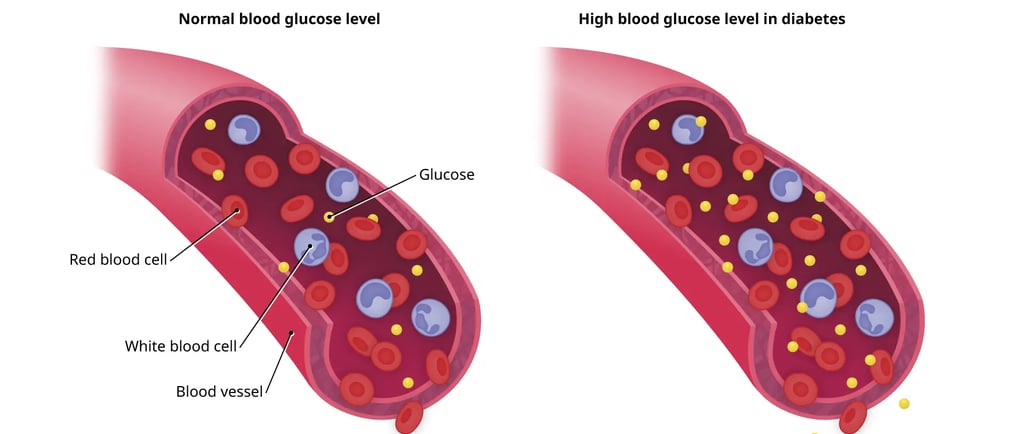
Diabetes occurs when the level of glucose (sugar) in the blood becomes higher than normal. After we eat, food is broken down into glucose, which enters the bloodstream. Insulin, a hormone produced by the pancreas, helps this glucose move into the cells where it is used for energy. In diabetes, either the body does not produce enough insulin or the cells do not respond to insulin properly. As a result, sugar remains in the blood instead of being used, leading to high blood sugar levels.
Why Does Diabetes Happen?
Diabetes usually develops gradually due to a combination of factors rather than a single cause. Some of the most common reasons include:
Family history or genetic tendency
Unhealthy eating habits and high-calorie diets
Lack of physical activity and sedentary lifestyle
Excess body weight or obesity
Chronic stress and poor sleep patterns
Hormonal imbalance and ageing
Because the condition develops slowly, many people do not realize they have diabetes until routine tests or noticeable symptoms appear.
Symptoms of Diabetes
The symptoms of diabetes often start mildly and become more noticeable over time. Common symptoms include:
Constant tiredness and lack of energy
Increased thirst and frequent urination
Increased hunger even after eating
Blurred vision
Slow healing of wounds or cuts
Frequent infections
Tingling or numbness in hands and feet
Ignoring these signs can delay diagnosis and increase the risk of complications.
What Happens When Diabetes Is Left Uncontrolled?
When blood sugar levels remain high for a long time, they begin to damage blood vessels and nerves throughout the body. This damage happens silently and may not cause pain initially. Over time, uncontrolled diabetes affects circulation, weakens the immune system, and reduces the body’s ability to heal and fight infections.
Long-Term Problems Caused by Diabetes
Poorly managed diabetes can lead to serious health issues, including:
Heart disease and high blood pressure
Kidney damage and kidney failure
Nerve damage causing pain or numbness
Eye problems and vision loss
Foot ulcers and delayed wound healing
Increased risk of stroke
These complications develop over years but can often be prevented with timely treatment and regular follow-up.
Solutions and Treatment Options
Managing diabetes requires consistency rather than extreme measures. Treatment focuses on maintaining balanced blood sugar levels through:
Healthy, balanced eating habits
Regular physical activity such as walking or yoga
Weight management
Stress reduction and adequate sleep
In addition to lifestyle changes, doctors may prescribe oral medications or insulin depending on the type and severity of diabetes. Treating related conditions like obesity, thyroid disorders, or hormonal imbalance is also essential for better control.
Living Well With Diabetes
Being diagnosed with diabetes can feel overwhelming at first, but it does not mean life has to be restricted. With proper medical guidance, regular blood sugar monitoring, and small daily lifestyle changes, people with diabetes can live active, confident, and healthy lives. Early diagnosis and consistent care play a crucial role in preventing complications and maintaining long-term well-being.
Final Thoughts
Diabetes is a condition that requires awareness, patience, and ongoing care—not fear. Understanding why it happens and how it affects the body empowers people to take control of their health. With the right support and treatment, diabetes can be managed effectively, allowing individuals to lead a full and balanced life.