🔥 Limited Online Video Consultation Available. Book Your Slot Now | Madinaguda Clinic Mon - Sat : 12 PM - 3 PM | Kukatpally Clinic Mon - Sat : 6 PM - 8 PM
Obesity Treatment Options: Causes & Health Risks | Asian Diabetic Center
Comprehensive obesity guide covering causes, health risks, and evidence-based treatment options including lifestyle intervention, medications (GLP-1), and advanced therapies. Expert care from Dr. Shalini Patlolla, Hyderabad.
Asian Diabetic Center
1/8/202614 min read
Obesity: Causes, Health Risks, and Effective Treatment Options—Comprehensive Medical Management Guide
Obesity has transcended beyond a simple cosmetic concern to become recognized as a serious medical condition requiring professional intervention. In India, obesity affects approximately 30-40% of urban adults, with prevalence even higher in major metropolitan areas like Hyderabad. More concerning: obesity isn't just a weight problem—it's a metabolic disease that fundamentally alters how your body functions.
The Critical Distinction: Obesity is not a moral failing or result of laziness, as commonly misunderstood. Rather, it's a complex medical condition influenced by genetics, metabolic factors, environmental exposures, psychological factors, and lifestyle elements. This is why standard "eat less, exercise more" advice often fails for obese individuals—the underlying metabolic dysfunction must be addressed.
Why Understanding Obesity Matters:
Obesity dramatically increases risk for type 2 diabetes (obesity present in 80-90% of T2D patients), cardiovascular disease, certain cancers, sleep apnea, joint disease, and psychological conditions. Additionally, obesity creates a vicious cycle: the metabolic dysfunction of obesity makes weight loss progressively harder without proper intervention.
At Asian Diabetes Thyroid Hormone Super Speciality Center in Hyderabad, Dr. Shalini Patlolla approaches obesity as the metabolic disease it is—not as a willpower issue. This comprehensive guide explores obesity's causes, health consequences, and evidence-based treatment strategies that actually work.
Defining Obesity: Beyond BMI
BMI Classification and Limitations
Obesity is clinically defined using Body Mass Index (BMI):
BMI Categories:
BMI < 18.5: Underweight
BMI 18.5-24.9: Normal weight (healthy range)
BMI 25-29.9: Overweight
BMI 30-34.9: Obesity Class I (mild)
BMI 35-39.9: Obesity Class II (moderate)
BMI ≥ 40: Obesity Class III (severe/morbid)
Calculation: BMI = Weight (kg) ÷ [Height (m)]²
Example for Indian Context:
Woman 5'4" (163 cm): BMI 30 = 66 kg
Man 5'10" (178 cm): BMI 30 = 86 kg
Why BMI Alone Is Insufficient
Critical Limitation: BMI doesn't account for body composition (muscle vs. fat distribution).
Problems with BMI-Only Assessment:
"Metabolically obese, normal weight" (MONW): Individuals at healthy BMI but with excessive visceral fat (from earlier insulin resistance blog)
Muscular individuals: Athletes may have high BMI but low body fat percentage
Fat distribution: Visceral fat (central/abdominal) is more dangerous than subcutaneous fat
Age considerations: Aging causes muscle loss; BMI may appear stable while visceral fat increases
Better Assessment Metrics:
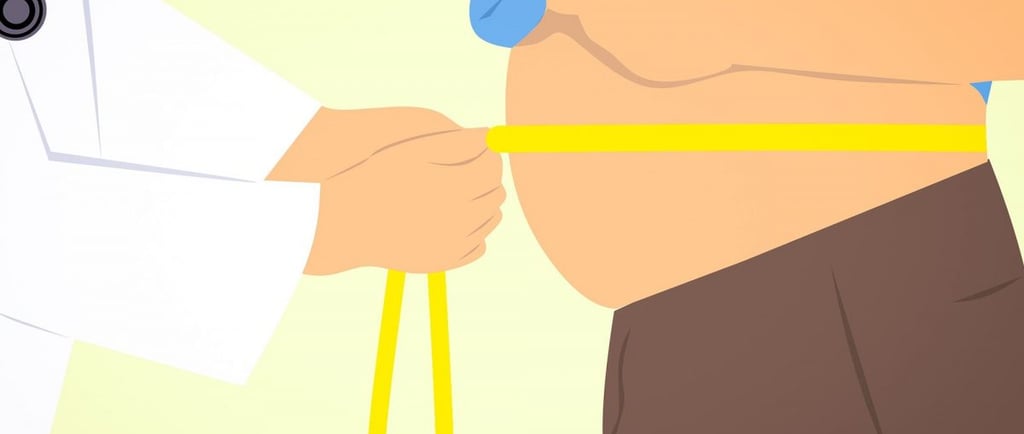
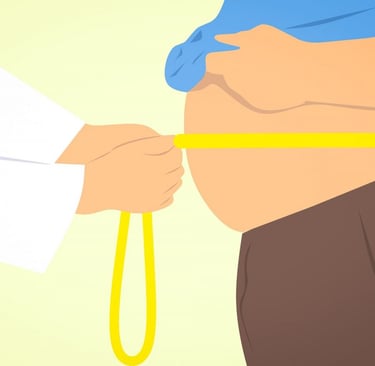
Waist circumference: Men >102 cm (40 in), Women >88 cm (35 in) = high visceral fat
Waist-to-hip ratio: Indicates fat distribution pattern
Body fat percentage: Direct measurement more accurate than BMI
DEXA scan: Gold standard for body composition
Clinical Reality: Dr. Shalini's clinic uses comprehensive body composition assessment, not BMI alone, for accurate obesity evaluation.
Types of Obesity: Understanding Classification
Obesity isn't monolithic—different types require different management approaches.
Exogenous Obesity (Energy Imbalance)
Definition: Excess calories from diet exceed energy expenditure.
Characteristics:
Accounts for ~95% of obesity cases
Genetic predisposition to obesity but triggered by environmental factors (food availability, portion sizes, sedentary lifestyle)
Typically develops gradually over years
Associated with insulin resistance and metabolic dysfunction
Mechanism:
Chronic caloric excess → weight gain → visceral fat accumulation → metabolic dysfunction (insulin resistance, inflammation) → worsening metabolic dysfunction → progressive obesity
Key Point: Even exogenous obesity develops metabolic complications; it's not "simple" weight gain.
Endogenous Obesity (Metabolic/Hormonal)
Definition: Obesity caused by underlying hormonal or metabolic dysfunction, not simple caloric excess.
Causes:
1. Hypothyroidism
Reduced thyroid hormone = decreased metabolic rate
Weight gain despite normal or reduced eating
Associated with cold intolerance, fatigue, dry skin, hair loss
Extremely common in India; TSH screening essential
Correctable with thyroid replacement therapy
2. Cushing's Syndrome
Excessive cortisol production
Causes central (abdominal) obesity characteristic
Associated with purple stretch marks, easy bruising, muscle weakness
Rare but serious; requires specialized diagnosis
3. Polycystic Ovarian Disease (PCOD) in Women
Insulin resistance + androgen excess
Progressive weight gain, particularly visceral
Associated with irregular cycles, infertility, acne, hirsutism
Extremely common in Indian women (20-25% prevalence)
Cyclical: insulin resistance → PCOD → worsened insulin resistance
4. Insulin Resistance / Hyperinsulinemia
Elevated fasting insulin despite normal glucose (discussed in Blog 3)
Insulin promotes fat storage; hyperinsulinemia = continuous "store fat" signal
Creates metabolic drive toward weight gain
Extremely common; often undiagnosed
5. Leptin Resistance
Elevated leptin levels despite obesity (paradoxical)
Loss of satiety signal; continued hunger despite adequate calories
Drives continued overconsumption
Difficult to treat; requires metabolic intervention
6. Other Endocrine Causes
Hypothalamic obesity (pituitary/brain lesions)
Growth hormone deficiency
Hypogonadism (low testosterone)
Clinical Importance: Endogenous obesity often fails to respond to standard diet/exercise alone. Identifying and treating the underlying hormonal dysfunction is essential.
Dr. Shalini's Approach: Comprehensive metabolic and hormonal assessment identifies endocrine causes that can be specifically treated.
Central (Abdominal) vs. Peripheral Obesity
Central Obesity (Apple Shape):
Fat predominantly in abdomen (visceral fat)
Higher visceral adipokine secretion → metabolic inflammation
Stronger association with metabolic syndrome, diabetes, cardiovascular disease
More dangerous metabolically despite potentially lower BMI
More responsive to exercise
Peripheral Obesity (Pear Shape):
Fat in hips, thighs, buttocks (subcutaneous)
Lower metabolic dysfunction risk
Less inflammatory metabolic profile
Lower cardiovascular disease risk (relatively)
Worse joint stress from weight distribution
Clinical Pearl: Central obesity is metabolically more dangerous than peripheral obesity at the same BMI. Waist circumference matters more than weight for health outcomes.
Why Does Obesity Develop? Complex Multifactorial Causes
Obesity results from complex interaction of genetic, metabolic, environmental, psychological, and behavioral factors. This is why simplistic "calories in vs. calories out" explanations fail to capture obesity's true nature.
Genetic and Epigenetic Factors
Genetic Predisposition:
Twin studies show obesity is 40-70% heritable
Having obese parents increases personal obesity risk by 3-4 times
Multiple genes involved (200+ genes identified affecting obesity susceptibility)
Genetic variants affect: appetite regulation, satiety signals, metabolic rate, fat distribution
Important Distinction: Genetics load the gun, but environment pulls the trigger. Genetic predisposition → obesity only in modern food environment.
Epigenetic Factors:
Environmental influences can activate/deactivate genes
Maternal nutrition during pregnancy affects offspring obesity risk
Early childhood nutrition impacts lifelong metabolic programming
Chronic stress can epigenetically alter metabolic regulation genes
Clinical Relevance: Family history of obesity indicates genetic predisposition; early intervention during childhood can prevent expression of obesity genes.
Metabolic Factors (The Hidden Drivers)
Insulin Resistance: (Discussed extensively in Blog 3)
Hyperinsulinemia drives continuous "store fat" signal
Makes weight loss progressively more difficult
Requires specific interventions (GLP-1 agonists, lifestyle modification)
Metabolic Rate Variations:
Basal metabolic rate (BMR) varies 20-30% between individuals of similar size
Some people naturally have slower metabolic rates
Can be further reduced by:
Chronic dieting (adaptive thermogenesis)
Muscle loss
Age (metabolic rate decreases 3-8% per decade after age 30)
Reduced thyroid function
Mitochondrial Dysfunction:
Obesity impairs mitochondrial function
Results in reduced energy production from food
Paradoxically, obese individuals may need fewer calories for survival (but can't lose weight effectively)
Adiposity-Based Chronic Disease (ABCD):
Modern medical term recognizing obesity as chronic disease
Metabolic complications exist independent of weight gain amount
Two people at same BMI can have vastly different metabolic health
Environmental and Lifestyle Factors
Food Environment Changes:
Ultra-processed foods engineered for maximum palatability
Portion sizes increased 50-100% over past 30 years
Sugar and refined carbohydrate proliferation
Constant food availability (24/7 access)
Marketing drives consumption of high-calorie foods
Traditional Indian diets replaced with processed alternatives
Physical Inactivity:
Modern work environment (sedentary office jobs)
Transportation shifts from walking to motorized vehicles
Technology reduces daily activity (shopping, work, entertainment all increasingly digital)
Hyderabad specifically: urbanization has dramatically increased sedentary behavior
Reduced occupational activity (labor-saving devices)
Sleep Deprivation:
Chronic sleep loss increases hunger hormones (ghrelin), decreases satiety (leptin)
Associated with 2-3x increased obesity risk
Modern sleep disruption: late night work, screen use, stress
Sleep apnea (common in obesity) further disrupts metabolic regulation
Chronic Stress:
Stress hormones (cortisol) drive visceral fat accumulation
Stress → emotional eating → weight gain
Stress → poor sleep → metabolic dysfunction
Stress → inflammation → metabolic inflammation
Environmental Toxins:
"Obesogens"—chemicals that interfere with metabolic regulation
Endocrine-disrupting chemicals found in plastics, pesticides, food additives
BPA (bisphenol A) exposure linked to obesity development
Persistent organic pollutants accumulate in fat tissue, perpetuate obesity
Psychological and Behavioral Factors
Food as Emotion Management:
Comfort eating: food used to soothe stress, anxiety, depression
Binge eating: loss of control over eating, often trauma-related
Emotional dysregulation → dysfunctional eating patterns
Disordered Eating Patterns:
Restriction cycles → binge cycles
Yo-yo dieting perpetuates metabolic dysfunction
Chronic undereating → metabolic adaptation → plateau
Psychological Conditions Associated with Obesity:
Depression (bidirectional relationship; obesity increases depression risk, depression worsens obesity)
Anxiety disorders
Trauma and post-traumatic stress disorder (PTSD)
Attention-deficit/hyperactivity disorder (ADHD)
Binge eating disorder
Mindset and Beliefs:
Internalized stigma: "I'm lazy," "I lack willpower"
Cognitive distortions: "All-or-nothing" thinking, catastrophizing
Past diet failure experiences → reduced self-efficacy
Learned helplessness from repeated failed weight loss attempts
Cultural and Social Factors:
Food as social centerpiece in Indian culture (positive but can perpetuate overconsumption)
Peer influence on eating behaviors
Family patterns and learned behaviors
Socioeconomic factors affecting food access and choices
The Cascade of Health Complications: What Obesity Does to Your Body
Immediate Metabolic Complications
Insulin Resistance and Prediabetes:
Present in 40-50% of obese individuals without overt diabetes
Obesity-induced insulin resistance is progressive
Progresses to type 2 diabetes in 5-10 years without intervention
Hyperinsulinemia worsens metabolic dysfunction (vicious cycle)
Fatty Liver Disease (NAFLD):
Present in 70-80% of obese patients
Caused by lipid accumulation in hepatocytes
Often progresses to cirrhosis (liver scarring)
Can be reversed with sustained weight loss and metabolic intervention
Dyslipidemia (Abnormal Cholesterol/Triglycerides):
High triglycerides (>150 mg/dL)
Low HDL cholesterol (<40 mg/dL men, <50 mg/dL women)
Pattern significantly increases cardiovascular disease risk
Partially reversible with weight loss and dietary modification
Chronic Inflammation:
Obesity creates state of chronic, low-grade inflammation (metaflammation)
Inflammatory markers (CRP, IL-6, TNF-α) elevated
Perpetuates metabolic dysfunction
Increases disease susceptibility
Cardiovascular Complications (The #1 Killer)
Hypertension (High Blood Pressure):
Present in 50-60% of obese patients
Caused by: increased blood volume, sodium retention, endothelial dysfunction
Dramatically increases heart attack and stroke risk
Often improves significantly with weight loss
Atherosclerosis (Arterial Plaque Formation):
Obesity accelerates atherosclerotic plaque development
Inflammation and dyslipidemia drive plaque formation
Often asymptomatic until heart attack or stroke occurs
Risk assessment (stress testing, coronary calcium score) recommended
Heart Disease:
Obesity directly damages heart muscle
Left ventricular hypertrophy (thickened heart wall) develops
Heart failure risk increases 5-7 times in obese individuals
Often presents as shortness of breath, exercise limitation, fluid retention
Stroke Risk:
Increased 2-4 times in obese individuals
Caused by: atrial fibrillation (common in obesity), atherosclerosis, hypertension, hypercoagulability
Atrial Fibrillation (Irregular Heartbeat):
Common in obesity (affects 5-10% of obese patients)
Causes palpitations, shortness of breath, fainting
Increases stroke risk 5-fold
Often improves with weight loss
Diabetes and Metabolic Complications
Type 2 Diabetes Development:
80-90% of type 2 diabetic patients are obese
Obesity is primary driver of type 2 diabetes epidemic
Once diabetes develops, complications escalate risk
Prediabetes: Covered previously (Blog 2)
Diabetic Complications in Obese Patients:
Kidney disease develops faster
Neuropathy (nerve damage) more common
Retinopathy (eye damage) more aggressive
Cardiovascular complications more severe
Sleep and Respiratory Complications
Obstructive Sleep Apnea (OSA):
Present in 50-70% of obese patients
Causes repeated breathing cessations during sleep
Results in fragmented sleep, poor sleep quality, chronic hypoxemia
Associated with daytime somnolence, poor concentration, morning headaches
Significantly worsens insulin resistance and cardiovascular disease
Often undiagnosed despite prevalence
Hypoventilation Syndrome:
Inadequate breathing (especially during sleep)
Causes chronic hypoxemia and CO2 retention
Associated with obesity, particularly central obesity
Leads to pulmonary hypertension and right heart failure
Asthma Exacerbation:
Obesity worsens asthma control
Mechanical compression of lungs
Chronic inflammation exacerbates airway inflammation
Joint and Orthopedic Complications
Osteoarthritis (Joint Degeneration):
Weight-bearing joints (knees, hips, ankles, lower back) most affected
Excess weight accelerates cartilage breakdown
Inflammatory cytokines from fat tissue worsen joint inflammation
Often severely disabling by age 50-60 in obese individuals
Weight loss provides dramatic pain relief
Gout (Uric Acid Crystal Arthritis):
Hyperuricemia (elevated uric acid) common in obesity
Acute gout attacks extremely painful
Associated with kidney stones
Mobility Limitations:
Chronic pain limits physical activity
Physical inactivity worsens obesity
Creates vicious cycle: obesity → joint pain → inactivity → worsened obesity
Malignancy (Cancer) Risk
Obesity increases risk for multiple cancer types:
Cancer TypeRisk IncreaseMechanismBreast Cancer1.5-2x higherEstrogen production by fat tissue; chronic inflammationEndometrial Cancer2-3x higherUnopposed estrogen; hyperinsulinemia growth signalsColorectal Cancer1.5-2x higherInsulin resistance; chronic inflammation; altered microbiomePancreatic Cancer1.5-2x higherHyperinsulinemia; chronic inflammationKidney Cancer1.5-2x higherChronic inflammation; hypertensionProstate Cancer (advanced)1.5-2x higherHyperinsulinemia; altered hormones
Mechanism: Hyperinsulinemia directly stimulates cell growth (IGF-1 pathway); obesity-induced inflammation promotes carcinogenesis; altered hormonal environment (excess estrogen, reduced adiponectin)
Psychological and Social Complications
Depression:
2-3x more common in obese individuals
Bidirectional: depression worsens obesity, obesity worsens depression
Related to: discrimination, reduced quality of life, metabolic dysfunction (hyperinsulinemia increases depression risk)
Anxiety Disorders:
Social anxiety from body image concerns
Panic disorder more common
Health anxiety about weight-related diseases
Quality of Life Impairment:
Reduced physical capacity
Social limitations (difficulty traveling, reduced access to activities)
Work limitations
Relationship strain
Weight Stigma and Discrimination:
Pervasive societal weight bias
Discrimination in healthcare, employment, social settings
Psychological harm from stigmatization
Paradoxically, weight stigma worsens obesity outcomes
Sexual and Reproductive Complications
Erectile Dysfunction:
Present in 30-40% of obese men
Caused by: endothelial dysfunction, reduced NO production, vascular disease
Often reversible with weight loss
Reduced Sexual Function in Women:
Decreased libido
Difficulty achieving orgasm
Related to: psychological factors, hormonal changes, vascular dysfunction
Infertility:
PCOD-related infertility (very common in Indian women)
Male infertility: obesity reduces testosterone and sperm quality
Pregnancy complications: gestational diabetes, pre-eclampsia, delivery complications
Polycystic Ovarian Disease (PCOD) Exacerbation:
Obesity worsens PCOD severity
Bidirectional: PCOD increases obesity risk; obesity worsens PCOD
Results in severe cycle disruption, fertility problems
Obesity Treatment: Evidence-Based Approaches
The good news: obesity is highly treatable. However, effective treatment requires comprehensive approach addressing underlying metabolic dysfunction, not just willpower.
Pillar 1: Medical Nutrition Therapy (MNT)
Beyond "Eat Less":
Sustainable weight loss requires metabolic meal planning that addresses insulin resistance, reduces inflammatory triggers, and provides satiety without deprivation.
Carbohydrate Quality:
Replace refined carbohydrates with whole grains
Include fiber at every meal (25-30g daily target)
Low-glycemic foods: leafy greens, cruciferous vegetables, legumes, berries
Eliminate sugary beverages completely
Protein Optimization:
Include protein at every meal (25-30% of calories)
High protein increases satiety, reduces hunger hormones
Reduces muscle loss during weight loss
Improves metabolic rate
Fat Strategy:
Emphasize anti-inflammatory fats (omega-3, MUFA)
Moderate caloric restriction from fat (not zero fat)
Eliminate trans fats
Include healthy fats for hormone production and satiety
Meal Timing & Structure:
Regular meal timing (not skipping meals)
Balanced macronutrients at each meal
Avoid long fasting periods (worsens hunger, metabolic adaptation)
Consider time-restricted eating for some patients (under supervision)
Indian Food Adaptations:
Include dal (lentils) for protein and fiber
Replace white rice with brown rice, millet
Vegetable-based curries with minimal oil
Traditional spices (turmeric, ginger, cinnamon) have metabolic benefits
Limit refined flour (maida) products
Prepare traditional sweets using alternative sweeteners
Behavioral Strategies:
Mindful eating: slow eating, attention to hunger/fullness cues
Portion control: using smaller plates, pre-plating portions
Eating environment: eliminate distractions (TV, phone)
Food journaling: increases awareness, accountability
Commercial Diet Programs:
Some have evidence for weight loss (Weight Watchers, etc.)
Benefit: structure, support, accountability
Limitation: often don't address underlying metabolic dysfunction
Can be used in combination with medical management
Pillar 2: Physical Activity and Exercise
Exercise Prescription for Obesity:
Aerobic Exercise:
150-300 minutes weekly of moderate-intensity activity
Examples: brisk walking, cycling, swimming, jogging
Benefits: burns calories, improves cardiovascular health, reduces visceral fat
Intensity: 50-70% of maximum heart rate
Resistance Training:
2-3 sessions weekly (all major muscle groups)
Critical for: building muscle (burns calories at rest), preventing muscle loss during weight loss
Improves metabolic rate and insulin sensitivity
Progressive resistance (increasing difficulty over time)
Flexibility and Mind-Body Exercise:
Yoga: 3-4 sessions weekly, 30+ minutes
Reduces stress, improves sleep, improves body awareness
Many studios available in Hyderabad
Activity Increment Strategy:
Increase daily movement (not just formal exercise)
Take stairs, park farther away, walk for errands
Use standing desk, take movement breaks every 30 minutes
Reduces sedentary time significantly
Exercise Progression:
Start gradually (especially if sedentary, joint problems, cardiovascular disease risk)
Medical clearance may be needed for older, high-risk patients
Progressive advancement to prevent plateau
Variety prevents boredom, works different muscle groups
Important: Exercise alone rarely produces significant weight loss; combination with diet modification is essential.
Pillar 3: Behavioral and Psychological Intervention
Cognitive Behavioral Therapy (CBT):
Addresses dysfunctional eating patterns
Identifies triggers for emotional eating
Develops alternative coping strategies
Addresses negative self-talk and cognitive distortions
Motivational Interviewing:
Explores ambivalence about behavior change
Increases intrinsic motivation for weight loss
Non-judgmental, patient-centered approach
Support Groups:
Community support crucial for sustained behavior change
Reduces isolation, increases accountability
Shared experiences normalize struggle
Family Involvement:
Family patterns often perpetuate obesity
Family support dramatically improves outcomes
May require family-based intervention
Addressing Mental Health:
Depression, anxiety, trauma must be treated alongside weight loss
Untreated mental health severely limits weight loss success
Medication, psychotherapy, or both may be indicated
Pillar 4: Pharmacotherapy
When to Use Obesity Medications:
BMI ≥30 (or ≥27 with metabolic comorbidities: diabetes, hypertension, dyslipidemia)
Failed sustained weight loss with lifestyle alone
Significant health risks from obesity-related complications
Patient motivated and engaged
GLP-1 Receptor Agonists (The Game-Changers):
Mechanism:
Glucose-like peptide 1 hormone mimetics
Act on hypothalamus: increase satiety, reduce appetite drive
Improve insulin secretion and reduce hepatic glucose production
Slow gastric emptying (prolonged fullness)
Anti-inflammatory effects
Efficacy:
Average weight loss: 4-8% body weight loss (some patients 15-20%)
Greater weight loss with higher doses and longer treatment duration
Better results in patients without diabetes
Visceral fat preferentially reduced
Available Agents:
Semaglutide (Ozempic, Wegovy): Weekly injection; greatest weight loss (~7kg average)
Tirzepatide (Zepbound): Dual GIP/GLP-1 agonist; even greater efficacy (~10kg average); newer agent
Liraglutide (Saxenda): Daily injection; moderate efficacy (~3-4kg)
Dulaglutide (Trulicity): Weekly injection; moderate efficacy
Tolerability:
Side effects: nausea (usually improves), vomiting, diarrhea, constipation
Injectable (not pills)
Generally well-tolerated; side effects manageable
Cost: expensive (₹5,000-15,000/month)
Patient Selection: Most effective in patients with:
Insulin resistance/prediabetes
Visceral obesity
Metabolic syndrome
History of type 2 diabetes
Important Note: GLP-1s work by addressing metabolic dysfunction (appetite, insulin signaling), not just "making you skinny." They represent paradigm shift in obesity medicine.
GLP-1 Cost in Hyderabad: Available through Dr. Shalini's clinic with proper monitoring
Other Pharmacotherapy Options:
Metformin:
Improves insulin sensitivity; modest weight loss (2-3 kg)
Used for prediabetes + obesity
Well-tolerated; GI side effects initially
SGLT2 Inhibitors:
Modest weight loss (2-3 kg)
Cardiovascular and kidney protective
Used for obesity + hypertension or metabolic disease
Phentermine (Stimulant):
Appetite suppressant; modest efficacy
Short-term use only (typically 12 weeks)
Side effects: increased heart rate, blood pressure, anxiety, insomnia
Less commonly used now (replaced by GLP-1s)
Orlistat (Lipase Inhibitor):
Reduces dietary fat absorption
Modest weight loss (2-3 kg)
GI side effects common (urgent defecation, fecal urgency)
Available over-the-counter; limited efficacy
Pillar 5: Treatment of Underlying Metabolic Conditions
Essential for Treatment Success:
Thyroid Optimization:
Screen TSH in all obese patients
Optimize thyroid replacement if hypothyroid
Can result in 5-10 kg weight loss with proper treatment
PCOD Management in Women:
Metformin as first-line treatment
GLP-1 agonists highly effective for PCOD + obesity
Hormonal management (oral contraceptives, progesterone)
Addresses both weight and fertility issues
Insulin Resistance Management:
Identified through HOMA-IR testing
Treated with metformin and/or GLP-1 agonists
Lifestyle intervention critical
Sleep Apnea Treatment:
CPAP therapy essential
Improves insulin resistance, weight loss outcomes
Often reverses with weight loss
Mental Health Treatment:
Depression, anxiety often coexist with obesity
Medications and/or psychotherapy necessary
Untreated mental illness severely limits weight loss
Pillar 6: Bariatric Surgery (For Severe Obesity)
Indications for Surgery:
BMI >40, or
BMI >35 with significant comorbidities (diabetes, hypertension, sleep apnea), or
Failed sustained weight loss despite comprehensive medical management
Psychological stability and ability to follow post-surgical guidelines
Common Procedures:
Gastric bypass: Creates small pouch; reroutes small intestine
Gastric sleeve: Removes portion of stomach
Adjustable gastric band: Band placed around stomach
Results:
Average 60-70% excess weight loss
Significant improvement or resolution of diabetes, hypertension, sleep apnea
Long-term success requires lifestyle changes (diet, exercise, behavioral)
Limitations:
Surgical risks (infection, bleeding, clotting)
Nutritional deficiencies possible (require supplementation)
Reversal sometimes occurs without proper lifestyle adherence
Expensive (₹3-5 lakh)
Not first-line; considered after medical management failure
At our clinic: Dr. Shalini coordinates with bariatric surgeons when surgery indicated; provides pre- and post-surgical medical management.
Weight Loss: What to Expect and How to Sustain Results
Realistic Weight Loss Timelines
Phase 1: Rapid Initial Loss (Weeks 1-4)
Average: 2-4 kg loss
Mostly water weight (glycogen depletion)
Energy increases, appetite settles
Don't be discouraged when slowing
Phase 2: Steady Loss (Months 1-6)
Average: 0.5-1 kg per week
Sustainable rate (not too rapid)
Metabolic adaptation begins
Hunger hormones stabilize
Phase 3: Plateau (Months 6-12)
Weight loss slows or plateaus
Normal metabolic adaptation
May need treatment adjustment (increase GLP-1 dose, intensify exercise)
Very common; prepare mentally
Phase 4: Stabilization (Beyond 12 Months)
Weight stabilizes at new lower set-point
Requires ongoing lifestyle adherence
Most people regain some weight without continued intervention
Long-term medical management often necessary
Challenges and Solutions
Challenge 1: Metabolic Adaptation
Body reduces energy expenditure during weight loss
Makes weight loss progressively harder
Solution: Periodic "calorie cycling," prevent complete restriction, resistance training preserves muscle
Challenge 2: Hunger Increase
Ghrelin (hunger hormone) increases during weight loss
Hunger paradoxically increases as you lose weight
Solution: GLP-1 agonists control ghrelin; protein and fiber increase satiety
Challenge 3: Muscle Loss
Weight loss includes muscle (not just fat)
Resistance training and adequate protein preserve muscle
Muscle preservation crucial for metabolism
Challenge 4: Emotional Eating Triggers
Stress, boredom, emotional discomfort trigger eating
Must identify personal triggers
Solution: develop alternative coping strategies; psychotherapy
Challenge 5: Social and Environmental Pressures
Family, friends may sabotage (offering food, discouraging diet)
Social events, restaurants challenging
Solution: communicate needs; plan ahead; restaurant navigation strategies
Long-Term Success Strategies
1. Continued Medical Supervision
Regular check-ins with doctor (monthly, then quarterly)
Medication adjustment as needed
Metabolic monitoring (HOMA-IR, lipids, glucose)
2. Lifestyle Adherence
Most people require 60-90 minutes daily physical activity long-term
Continued dietary modification essential
Occasional lapses acceptable; sustained adherence prevents major regain
3. Behavioral Monitoring
Regular weigh-ins (but not obsessive daily)
Food journaling periodically
Self-monitoring for early weight regain (catch quickly)
4. Community and Support
Ongoing support group participation
Family involvement in healthy lifestyle
Social connection around health goals (walking groups, fitness classes)
5. Medication Continuation
Many patients require long-term GLP-1 or other obesity medications
Weight regain common after medication discontinuation
Treat obesity like chronic disease (lifelong management often needed)
6. Stress Management
Ongoing meditation, yoga, or other stress reduction
Adequate sleep maintenance
Mental health monitoring for depression/anxiety
Frequently Asked Questions About Obesity Treatment
Q: Is obesity a disease or a lifestyle choice?
A: Obesity is a medical disease. While lifestyle factors contribute, obesity involves complex genetic, metabolic, hormonal, and environmental influences. Treating it as purely a "lifestyle choice" ignores the biological basis and is counterproductive. Medical management addresses the biological dysfunction driving obesity.
Q: Can I lose weight without exercise?
A: Yes, diet alone can produce weight loss. However, exercise provides additional benefits:
Builds muscle (preserves metabolism long-term)
Reduces visceral fat preferentially
Improves cardiovascular health
Better weight loss maintenance
Improves mental health, sleep
Exercise is highly beneficial but not absolutely required for initial weight loss.
Q: How much weight do I need to lose to see health benefits?
A: Even 5-10% weight loss produces significant health improvements:
Blood pressure reduction
Cholesterol improvement
Dramatic glucose control improvement (often prevents diabetes)
Sleep apnea improvement
Joint pain relief
Mental health improvement
You don't need to reach "ideal" weight for substantial health gains.
Q: Are GLP-1s safe for long-term use?
A: Yes. GLP-1s have been used for diabetes (10+ years) with excellent safety profile. Recent weight loss studies show:
Well-tolerated long-term
Side effects typically manageable
Cardiovascular benefits documented
Weight regain occurs if discontinued
Concern about "addiction" is misplaced; appetite hormones naturally return after stopping. Long-term use for chronic obesity is appropriate.
Q: Why did my weight loss plateau?
A: Multiple explanations:
Metabolic adaptation: Body reduces energy expenditure during weight loss (normal, expected)
Increased appetite hormones: Ghrelin increases, leptin decreases (biological response)
Dietary adherence drift: Gradual increase in calories (very common)
Insufficient exercise volume: May need increase
Sleep deprivation: Disrupts hunger hormones
Medication tolerance: May need dose increase
Solution: Medical review to identify cause; treatment adjustment.
Q: Is it too late to lose weight if I'm 50+?
A: No. Weight loss in older adults:
Equally effective metabolically
May be slower initially
Joint safety important (lower-impact exercise)
Medical clearance important before starting
Dramatic health improvements still possible
Age is not a contraindication; metabolic disease treatment appropriate at any age.
Q: What about fad diets—do they work?
A: Short-term: Yes. Long-term: No.
Fad diets produce initial rapid weight loss (mostly water)
Difficult to sustain (too restrictive)
Often nutrient-deficient
Weight regain very common (often regain more than lost)
Don't address underlying metabolic dysfunction
Sustainable, metabolically-informed approach > fad diets.
Q: Is bariatric surgery right for me?
A: Depends on:
BMI severity (>40, or >35 with comorbidities)
Failed sustained medical weight loss
Psychological readiness
Ability to follow post-surgical guidelines
Serious metabolic complications requiring urgent intervention
Discuss with bariatric surgeon after comprehensive medical management trial.
Q: Why do I feel hungry all the time despite eating enough?
A: Possible causes:
Insulin resistance: Impairs satiety signals
Leptin resistance: Elevated leptin but reduced signaling
Sleep deprivation: Increases ghrelin
Chronic stress: Increases hunger hormones
Rapid eating: Doesn't allow satiety signals to develop
Inadequate protein: Protein provides satiety
Solution: Identify cause; GLP-1s address appetite dysregulation; sleep optimization; stress management.
Q: Can obesity be reversed?
A: The term "reversal" requires clarification:
"Cure" (complete normalization): No. Obesity predisposition persists.
"Remission" (achieving healthy weight and metabolic health): Yes, possible with sustained intervention.
"Reversal of complications": Yes. Diabetes remission, blood pressure normalization, liver disease improvement documented.
Long-term commitment to lifestyle + often medication required for sustained improvement.
Final Thoughts: Obesity as a Treatable Medical Condition
Obesity has become one of the world's most prevalent chronic diseases, yet remains among the least understood and most stigmatized. The paradigm must shift: obesity is not a moral failing, not simply poor willpower, not a cosmetic concern. Obesity is a complex metabolic disease requiring sophisticated medical management.
Quick Links
Dr. Shalini Patlolla is a best endocrinologist and diabetologist in Madinaguda and Kukatpally, Hyderabad, providing expert care for diabetes, thyroid disorders, PCOD/PCOS, and all hormonal problems. Book your online consultation with Dr. Shalini today for advanced endocrine and diabetes treatment in Hyderabad.
Email ID - drshaliniendocrine@gmail.com
Follow Us :
Walk-In
Madinaguda Clinic Address
H. No. 7-1/2, Above New Reliance Car Decors, Opp. Bharat Petroleum, Sri Durga Colony, Madinaguda Main Road, Hyderabad - 500050
Opening Hours :
Mon - Sat: 12 PM - 3 PM
Kukatpally Clinic Address
MID-286, Opp. Global Edge School, Road No. 4, Remedy Hospital Lane, KPHB Colony, Hyderabad - 500072
Opening Hours :
Mon - Sat: 6 PM - 8 PM
Designed by Harshming Web services © 2025. All rights reserved.
Contact Number- +91-9133552279