Diabesity Treatment: 5 Proven Ways to Reverse Weight and Diabetes
Diabesity treatment has become one of the most critical healthcare priorities today. Over 80% of adults diagnosed with Type 2 Diabetes also struggle with excess weight or central obesity. In urban centers like Hyderabad, lifestyle changes have caused a massive surge in this twin epidemic—frequently affecting adults in their 20s and 30s.
If you are struggling with rising blood sugar levels and stubborn abdominal fat, understanding how diabesity treatment works can help you take control of your metabolic health.
What is Diabesity and Why Do You Need Targeted Diabesity Treatment?
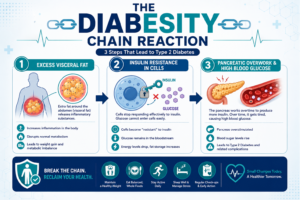
Diabesity describes the direct link between obesity and Type 2 Diabetes. Rather than treating them as separate health issues, endocrinologists view them as a combined metabolic disorder driven by visceral fat—the deep fat surrounding internal organs like the liver and pancreas.
Without timely diabesity treatment, excess fat tissue releases inflammatory compounds that cause insulin resistance, forcing your pancreas to overwork until it burns out.
5 Proven Strategies for Effective Diabesity Treatment
Medical research shows that losing just 5% to 10% of your total body weight can dramatically improve insulin sensitivity and lower blood glucose. Here are 5 essential pillars of successful diabesity treatment:
1. Specialized Endocrine & Hormonal Evaluation
Effective diabesity treatment starts by identifying underlying hormonal blockers. Conditions like thyroid dysfunction, elevated cortisol, or PCOS can prevent weight loss even when you diet. A specialist evaluates these markers to build a personalized care plan.
2. Low-GI Regional Dietary Modifications
Instead of extreme starvation diets, structured diabesity treatment replaces high-glycemic foods with nutrient-dense regional alternatives:
-
Whole Millets: Jowar, Bajra, and Ragi rotis instead of white rice.
-
High-Protein Pulses: Chana dal, moong dal, and sprouted salad.
-
Fiber-Rich Vegetables: Palak, methi, karela, and cucumber.
3. Advanced Medical Weight Loss & Pharmacotherapy
For many patients, diet and exercise alone may not be enough. Modern diabesity treatment utilizes advanced, evidence-based therapies that target appetite pathways in the brain, slow digestion, and lower blood sugar simultaneously.
4. Post-Meal Physical Activity
A simple 15-minute walk after major meals allows muscles to absorb blood glucose directly, reducing the burden on your pancreas and supporting long-term weight management.
5. Routine Monitoring & Preventive Care
Tracking fasting glucose, postprandial levels, and HbA1c ensures your plan is adjusted in real time, preventing long-term complications affecting the heart, eyes, and kidneys.
The Biological Link: How Visceral Fat Causes Insulin Resistance
To understand why specialized diabesity treatment is essential, it helps to examine what happens inside the body at a cellular level when weight increases.
Not all body fat behaves the same way. Subcutaneous fat (the soft fat located directly under the skin) is relatively inactive. However, visceral fat—the hard fat stored deep inside the abdominal cavity around your liver, pancreas, and intestines—acts like an active endocrine organ.
Visceral fat continuously secretes harmful chemicals, including free fatty acids and inflammatory proteins known as cytokines (such as TNF-alpha and Interleukin-6). These compounds enter the bloodstream and disrupt insulin signaling pathways inside muscle and liver cells:
-
Cellular Lockout: Insulin tries to dock onto cellular receptors to transport glucose out of the blood and into cells for energy.
-
Receptor Blocker: Inflammatory cytokines from visceral fat block these insulin receptors, preventing the “key” (insulin) from opening the “lock” (the cell).
-
Hyperinsulinemia: The pancreas responds by producing higher amounts of insulin to force glucose into resistant cells.
-
Beta-Cell Exhaustion: Over time, the insulin-producing beta cells in the pancreas become overworked and damaged, leading to elevated blood sugar levels and full-blown Type 2 Diabetes.
A structured diabesity treatment plan targets visceral fat loss specifically, helping restore normal insulin sensitivity before permanent pancreatic damage occurs.
The Asian Indian “Thin-Fat” Phenotype: Why Body Weight Can Be Deceiving
A common misconception in diabetes management is that only visibly obese individuals are at risk. In South Asian populations—particularly across India—millions of adults experience what medical professionals call the Asian Indian “Thin-Fat” Phenotype.
Even individuals who appear relatively slim or fall within a “normal” Body Mass Index (BMI) threshold can carry a high percentage of internal abdominal fat combined with low muscle mass.
This central obesity means that an Indian adult with a BMI of just 23 kg/m² may carry the same metabolic risks for insulin resistance and cardiovascular disease as a Western individual with a BMI of 30 kg/m².
This unique genetic predisposition makes early diabesity treatment and body composition screening vital for individuals exhibiting abdominal weight gain, even if their overall weight seems normal on a standard scale.
Long-Term Health Risks of Untreated Diabesity
When high blood glucose levels coexist with excess abdominal fat, vascular damage accelerates significantly compared to high blood sugar alone. Leaving diabesity unmanaged increases the risk of multiple systemic health complications:
-
Cardiovascular Disease: The combination of insulin resistance, high triglycerides, and chronic systemic inflammation stiffens blood vessels, sharply elevating the risk of hypertension, heart attacks, and strokes.
-
Metabolic Dysfunction-Associated Steatotic Liver Disease (MASLD / Fatty Liver): Excess fatty acids build up directly inside liver tissue, causing non-alcoholic fatty liver disease that can progress to liver inflammation or scarring if left unaddressed.
-
Diabetic Neuropathy & Peripheral Artery Disease: Persistent glucose spikes injure the microscopic blood vessels supplying peripheral nerves, leading to numbness, burning sensations, or non-healing foot ulcers.
-
Diabetic Nephropathy: Chronic high blood sugar damages the delicate filtering units (glomeruli) in the kidneys, leading to protein leakage into urine and gradual loss of renal function.
Commencing an evidence-based diabesity treatment protocol early protects these vital organ systems from irreversible microvascular and macrovascular damage.
What to Expect During Your Initial Endocrine Evaluation
When seeking medical support for weight management and blood sugar control, a comprehensive clinical evaluation goes far beyond basic blood sugar checks. During a consultation for diabesity treatment, an endocrinologist typically conducts:
-
Detailed Hormonal & Metabolic Profiling: Blood tests evaluating fasting insulin, HbA1c, lipid profiles, liver enzymes, kidney function, thyroid levels (TSH, Free T3/T4), and morning cortisol.
-
Visceral Fat & Body Composition Assessment: Measuring waist-to-hip ratios and body fat distribution rather than relying solely on body weight.
-
Cardiovascular Risk Screening: Evaluating resting blood pressure, resting heart rate, and metabolic markers associated with heart disease.
-
Customized Pharmacotherapy & Lifestyle Prescription: Tailoring clinical recommendations based on your individual lab results, work schedule, dietary preferences, and physical mobility.
Frequently Asked Questions About Diabesity Treatment
Can diabesity be completely reversed?
In its early stages (especially during prediabetes or early-onset Type 2 Diabetes), significant reduction in visceral fat through structured diabesity treatment can restore normal blood glucose control, allowing many individuals to achieve clinical remission under medical supervision.
Is weight-loss surgery (bariatric surgery) required for diabesity treatment?
Bariatric surgery is typically reserved for severe obesity (BMI > 35) with uncontrolled comorbidities. For the majority of patients, modern medical therapies, specialized GLP-1 receptor medications, and targeted metabolic lifestyle plans offer effective, non-surgical options for weight loss and glucose management.
How quickly can I expect results from diabesity treatment?
Patients often notice improvements in energy levels and post-meal blood sugar control within the first 2 to 4 weeks of starting a medical management plan. Sustainable fat loss and significant reductions in HbA1c typically manifest over 3 to 6 months of consistent follow-up.
Take Control with Expert Diabesity Treatment Today
Managing weight and blood sugar requires a comprehensive medical strategy rather than quick fixes. Early medical intervention can help slow disease progression and significantly improve quality of life.
Dr. Shalini Patlolla [MD, DM Endocrinology (SVIMS)] provides specialized diabesity treatment, diabetes care, and thyroid management at Asian Diabetes Thyroid Hormone Super Speciality Center.
-
Kukatpally (KPHB Phase 1): Evening Consultations
-
Madinaguda (Main Road): Afternoon Consultations
📞 Call / WhatsApp: +91 91335 52279
🌐 Website: www.asiandiabeticcenter.in