
Diabetic Kidney Disease Prevention: 7 Early Warning Signs and Protection Strategies
Diabetic kidney disease prevention is one of the most vital aspects of long-term diabetes management. Diabetic nephropathy, a serious kidney-related complication of diabetes, affects approximately 30% to 40% of people living with Type 1 and Type 2 diabetes. In India, diabetes remains the leading cause of chronic kidney disease (CKD) and end-stage renal disease.
Because kidney damage often develops silently over years without noticeable symptoms in its initial stages, early screening and proactive management are essential to protecting kidney function and avoiding dialysis.
What is Diabetic Kidney Disease (Nephropathy)?
Diabetic nephropathy is a progressive kidney disease caused by high blood sugar levels damaging the microscopic blood vessels inside the kidneys.
Your kidneys contain millions of tiny filtering units called nephrons, which house tiny blood vessel clusters known as glomeruli. These glomeruli filter waste products and excess fluid from your blood while retaining essential proteins.
When blood glucose levels remain consistently elevated:
-
High Pressure Build-Up: High blood sugar increases filtration pressure inside the glomeruli.
-
Protein Leakage: The delicate capillary walls weaken, allowing protein (albumin) to leak into the urine.
-
Scaring and Filtration Loss: Over time, inflammation causes scarring (glomerulosclerosis), permanently reducing the kidneys’ ability to filter blood.
Prioritizing diabetic kidney disease prevention early stops this destructive chain reaction before irreversible structural damage occurs.
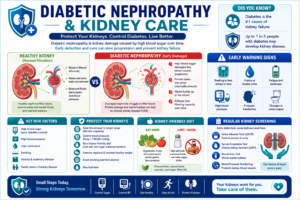
7 Early Warning Signs of Diabetic Nephropathy
In the early stages, diabetic kidney disease rarely causes noticeable pain or discomfort. However, as kidney filtration declines, subtler physical signs begin to surface:
-
Foamy or Frothy Urine: Excessive bubbles in urine indicate high levels of protein (albuminuria).
-
Swelling in Legs, Ankle, or Feet (Edema): Decreased kidney filtration causes fluid retention in lower extremities.
-
Puffiness Around the Eyes: Morning facial or peri-orbital swelling occurs due to protein loss in urine.
-
Unexplained Fatigue and Weakness: Waste product buildup in the blood (uremia) causes persistent tiredness.
-
Fluctuating Blood Pressure: Damaged kidneys release hormones that elevate blood pressure, making hypertension harder to control.
-
Increased Frequency of Urination: Urinating more often, particularly at night (nocturia).
-
Loss of Appetite or Nausea: Accumulation of toxins alters taste perception and causes morning nausea.
If you observe any of these warning signs, seeking an immediate medical evaluation is essential.
How to Test for Diabetic Nephropathy Early
Because early diabetic nephropathy is asymptomatic, waiting for symptoms to appear can result in lost kidney function. Endocrinologists recommend annual screening tests for all diabetic patients:
-
Urine Microalbumin Test (UACR): Detects microscopic amounts of protein in the urine long before standard urine tests can spot it. An albumin-to-creatinine ratio above 30 mg/g indicates early kidney stress.
-
Serum Creatinine & eGFR (Estimated Glomerular Filtration Rate): Measures blood filtration efficiency. An eGFR value below 60 mL/min/1.73 m² over three months signals chronic kidney disease.
-
Blood Urea Nitrogen (BUN): Assesses the level of waste products in your bloodstream.
5 Essential Pillars of Diabetic Kidney Disease Prevention
Achieving effective diabetic kidney disease prevention requires a combined approach focused on blood sugar, blood pressure, and metabolic control.
1. Maintain Strict Glycemic Control (HbA1c Management)
Consistently elevated blood glucose levels directly damage renal blood vessels. Aim for an HbA1c target recommended by your endocrinologist (typically below 7.0% for most adults). Keep track of both fasting and postprandial levels daily to avoid extreme spikes.
2. Control Blood Pressure Levels
High blood pressure accelerates kidney damage. Keep your blood pressure within target limits (generally below 130/80 mmHg). Certain blood pressure medications, such as ACE inhibitors or ARBs, offer direct renal protection by reducing internal pressure within kidney filters.
3. Embrace Renal-Protective Dietary Habits
Dietary modifications play a central role in diabetic kidney disease prevention:
-
Reduce Sodium (Salt): Limit sodium intake to under 2,000 mg daily to prevent fluid retention and high BP.
-
Moderate Protein Intake: Excess protein consumption places added strain on kidney filtration. Choose high-quality, plant-based proteins or lean options in recommended quantities.
-
Avoid Processed Foods: Eliminate packaged foods high in hidden sodium, preservatives, and phosphorus.
4. Stay Hydrated and Avoid Nephrotoxic Medications
Drink 2.5 to 3 liters of water daily unless restricted by your doctor. Avoid over-the-counter Painkillers (NSAIDs like ibuprofen, naproxen, or diclofenac) without medical advice, as non-steroidal anti-inflammatory drugs can cause acute kidney injury.
5. Utilize Modern Renal-Protective Diabetes Medications
Advanced diabetes treatments now incorporate medications that actively protect kidney health alongside blood sugar control. Pharmacotherapies such as SGLT2 inhibitors have been clinically proven to lower intraglomerular pressure, reduce protein leakage, and slow down kidney disease progression.
The Role of Endocrine Care in Diabetic Kidney Disease Prevention
Managing kidney protection requires a holistic approach that bridges glycemic control, blood pressure regulation, lipid management, and weight control.
Consulting an experienced specialist ensures that your treatment plan incorporates the latest renal-protective therapies, routine laboratory monitoring, and individualized diet planning tailored to your metabolic health.
Protect Your Kidney Health Today
Don’t wait for symptoms to manifest before prioritizing diabetic kidney disease prevention. Early screening and proactive medical care can help maintain healthy kidney function for years to come.