
Erectile Dysfunction and Diabetes: The Hormonal Connection
Medically Reviewed by Dr. Shalini Patlolla, DM Endocrinology (SVIMS)
Asian Diabetic Center | Hyderabad
Quick Summary & Key Takeaways
-
The Root Cause: Diabetes-induced erectile dysfunction (ED) is not merely a vascular or psychological issue; it is heavily driven by complex hormonal imbalances, including low testosterone and insulin resistance.
-
The Prevalence: Up to 75% of men with long-standing or unmanaged diabetes experience some degree of erectile dysfunction, often developing it 10 to 15 years earlier than non-diabetic men.
-
Reversibility: ED caused by diabetes and hormonal imbalance is treatable and often reversible when blood glucose levels and hormonal profiles are optimized under expert medical care.
-
When to See a Specialist: If lifestyle adjustments and basic glucose control fail to improve symptoms, consulting a DM Endocrinologist is essential for specialized hormone replacement and advanced metabolic management.
Introduction: Why Diabetes and ED Are Deeply Connected
Erectile dysfunction (ED) is one of the most common yet under-discussed complications of diabetes in men. While many patients assume that difficulty achieving or maintaining an erection is simply a natural part of aging or stress, the physiological reality is far more intricate.
At the intersection of metabolic health and sexual function lies the endocrine system—the body’s chemical messaging network. Diabetes directly impacts vascular health, nerve signaling, and, crucial to this discussion, hormonal production and regulation.
When blood sugar levels remain elevated over extended periods, they disrupt the delicate balance of hormones required for normal sexual performance, particularly testosterone, insulin, and cortisol. Understanding this hormonal connection is the first step toward effective diagnosis, targeted treatment, and restoring quality of life.
1. The Hormonal Triangle: Testosterone, Insulin, and Diabetes
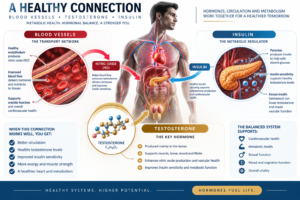
To understand how diabetes causes erectile dysfunction, one must examine the relationship between insulin resistance and testosterone production.
+-----------------------------------------------------------------------+
|                         INSULIN RESISTANCE                            |
|        (High circulating blood sugar & hyperinsulinemia)               |
+-----------------------------------------------------------------------+
                                  |
                                  v
+-----------------------------------------------------------------------+
|                       VISCERAL ADIPOSE TISSUE                         |
|      (Increased body fat converts testosterone into estrogen          |
|                       via the Aromatase enzyme)                       |
+-----------------------------------------------------------------------+
                                  |
                                  v
+-----------------------------------------------------------------------+
|                    HYPOGONADISM (LOW TESTOSTERONE)                    |
|       (Leads to reduced libido, fatigue, lost morning erections,      |
|                       and vascular dysfunction)                       |
+-----------------------------------------------------------------------+
Low Testosterone (Hypogonadism) in Diabetic Men
Testosterone is the primary male sex hormone responsible for maintaining libido, erectile strength, muscle mass, and energy levels. Clinical research shows that approximately 1 in 3 men with Type 2 diabetes suffers from clinically low testosterone levels (hypogonadism).
-
The Aromatase Effect: Excess body weight and high circulating insulin levels activate an enzyme called aromatase, which converts active testosterone into oestrogen (female sex hormone).
-
Pituitary Suppression: High blood sugar and systemic inflammation suppress the signals sent by the pituitary gland (LH and FSH) to the testicles, leading to diminished testosterone synthesis.
Insulin Resistance and Nitric Oxide Production
An erection requires rapid blood flow into the erectile tissue (corpora cavernosa). This process relies on Nitric Oxide (NO), a key chemical messenger produced by the blood vessels’ inner lining (endothelium).
Insulin resistance severely impairs endothelial function, drastically reducing nitric oxide synthesis. Without sufficient nitric oxide, the penile blood vessels cannot relax or dilate adequately, preventing sufficient blood flow even when sexual desire is present.
2. Vascular and Neurological Complications: Beyond Hormones
While hormonal dysfunction is a primary catalyst, diabetes also damages the physical pathways needed for an erection through two major mechanisms:
Diabetic Neuropathy (Nerve Damage)
Autonomic nerves signal the blood vessels in the penis to relax and allow blood flow. Chronic high blood glucose damages these delicate nerve fibers (diabetic neuropathy). As nerve signals slow down or cease, the physical triggers for sexual arousal are disrupted.
Diabetic Microvascular Disease (Vascular Damage)
High blood sugar degrades small blood vessels throughout the body, including those supplying the genital area. Plaque buildup (atherosclerosis) narrows the arteries, restricting penile blood flow. In many men, erectile dysfunction serves as an early warning sign for silent cardiovascular disease.
3. Endocrinology vs. General Diabetology: Why Specialized Care Matters
Many patients wonder: What is the difference between an endocrinologist and a diabetologist?
While a general diabetologist or physician focuses primarily on managing daily blood sugar levels and prescribing standard oral anti-diabetic medications, a DM Endocrinologist specializes in the entire endocrine and hormonal system.
Because diabetic erectile dysfunction involves complex interactions between pituitary hormones, thyroid function, adrenal steroids, testosterone, and metabolic pathways, an endocrinologist provides comprehensive diagnostic testing and tailored hormone restoration therapies that go far beyond standard glucose control.
4. Comprehensive Diagnostic Evaluation
If you are experiencing erectile dysfunction alongside diabetes, a specialized endocrinology evaluation typically includes:
-
Total and Free Testosterone Levels: Measured early in the morning (between 7:00 AM and 10:00 AM) when testosterone peaks.
-
Serum Prolactin and Thyroid Profile (TSH, Free T3, Free T4): Elevated prolactin or thyroid imbalances (hypothyroidism/hyperthyroidism) directly suppress sexual function.
-
HbA1c & Fasting Insulin: To measure long-term glycemic control and the severity of insulin resistance.
-
Lipid Profile and Renal Function: Assessing vascular risks and kidney parameters.
-
Luteinizing Hormone (LH) and Follicle-Stimulating Hormone (FSH): To determine whether the hormonal root cause lies in the testicles or the brain’s pituitary gland.
5. Treatment Options and Recovery Strategies
Diabetic erectile dysfunction is highly manageable when approached with a multi-pronged treatment strategy:
A. Hormonal and Metabolic Optimization
-
Testosterone Replacement Therapy (TRT): For men diagnosed with hypogonadism, TRT (via gels, injections, or patches) can restore energy, libido, erectile quality, and insulin sensitivity under strict endocrinological supervision.
-
Advanced Diabetes Medications: Modern therapies such as GLP-1 receptor agonists and SGLT2 inhibitors help lower blood sugar, improve endothelial health, and promote meaningful weight loss, reversing aromatase-driven hormone conversion.
B. Medical Therapies for Erectile Dysfunction
-
PDE5 Inhibitors (e.g., Sildenafil, Tadalafil): These medications enhance nitric oxide pathways to promote blood flow. Note: They require intact nerve signals and adequate testosterone levels to be fully effective.
-
Low-Dose Daily Tadalafil Therapy: Often prescribed to improve overall vascular health and nighttime erections in diabetic patients.
C. Targeted Lifestyle Modifications
-
Targeted Exercise: Incorporating strength training and high-intensity interval training (HIIT) boosts natural testosterone production and enhances insulin sensitivity.
-
Nutritional Adjustments: Adopting an anti-inflammatory, low-glycemic diet rich in zinc, magnesium, healthy fats, and antioxidants supports vascular and hormonal wellness.
-
Sleep Hygiene: Over 60% of daily testosterone is released during deep REM sleep. Addressing conditions like obstructive sleep apnea (common in diabetic men) significantly improves testosterone levels.
Understanding Erectile Dysfunction and Diabetes: The Hormonal Connection
The physiological link between erectile dysfunction and diabetes primarily stems from hormonal imbalances, vascular impairment, and nerve damage caused by chronic high blood sugar. Elevated glucose levels reduce the production of nitric oxide, a essential chemical required for penile blood vessels to relax and allow proper airflow and blood circulation. Additionally, men managing both erectile dysfunction and diabetes frequently suffer from hypogonadism (low testosterone levels) and insulin resistance. This hormonal disruption directly diminishes libido, lowers energy levels, and weakens erectile quality, making early endocrinological intervention essential.
Common Causes of Erectile Dysfunction and Diabetes
Several underlying metabolic factors contribute to the simultaneous development of erectile dysfunction and diabetes. Uncontrolled blood sugar damages delicate autonomic nerves (diabetic neuropathy), preventing nerve signals from traveling effectively from the brain to the reproductive system. Furthermore, systemic inflammation and arterial stiffness caused by long-term high glucose restrict arterial blood flow, directly linking erectile dysfunction and diabetes. Metabolic syndrome, high blood pressure, elevated cholesterol, and stress surrounding chronic health conditions further accelerate these symptoms in diabetic men.
Effective Treatment Options for Erectile Dysfunction and Diabetes
Fortunately, managing erectile dysfunction and diabetes is highly achievable through targeted medical therapies and metabolic optimization. Comprehensive treatment for erectile dysfunction and diabetes starts with stabilizing HbA1c levels through personalized insulin or oral medication regimens under expert guidance. Clinical options include hormone replacement therapy to correct low testosterone, PDE5 inhibitors to improve vascular blood flow, and specialized lifestyle modifications to reverse insulin resistance. Consulting an experienced endocrinologist ensures a holistic treatment plan that restores sexual health while protecting long-term cardiovascular stability.
Frequently Asked Questions (FAQs)
Can diabetic erectile dysfunction be permanently cured?
While chronic nerve damage can be challenging, ED caused by diabetes and low testosterone can be significantly improved or completely reversed when blood sugar levels are normalized and hormonal balance is restored early.
What is the normal HbA1c level for diabetic men to maintain sexual health?
For most adult men, maintaining an HbA1c level below 6.5% to 7.0% helps protect small blood vessels and nerves from diabetic damage, preserving erectile function.
How do I know if my ED is due to low testosterone or nerve damage?
A lack of morning erections, low sex drive, chronic fatigue, and loss of muscle mass strongly point toward low testosterone. An endocrinologist can perform exact blood tests to differentiate hormonal causes from neurological or vascular damage.
When to Consult a Specialist in Hyderabad
If you are struggling with diabetes and symptoms of erectile dysfunction, do not ignore the warning signs or rely solely on over-the-counter supplements. Expert evaluation by a qualified DM Endocrinologist can pinpoint the exact hormonal and vascular causes and restore your vitality.
Asian Diabetic Center
Expert Hormone, Diabetes & Metabolic Care
Lead Specialist: Dr. Shalini Patlolla, DM Endocrinology (SVIMS)
Website: www.asiandiabeticcenter.in